What Belongs on Your Sauce Shelf? A No-Nonsense Guide to Stocking Artisan Condiments
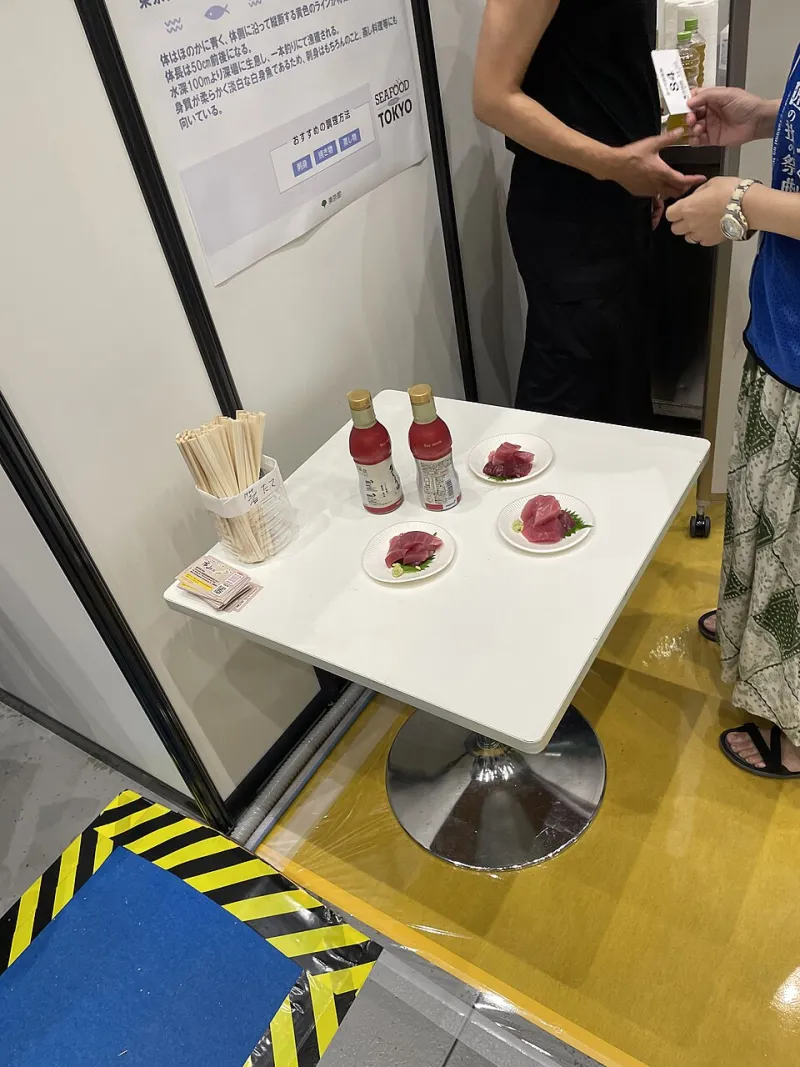
Photo: ウィ貴公子, CC BY-SA 4.0, via Wikimedia Commons
The Pantry Problem Nobody Talks About
Open almost any American home cook's refrigerator door and you'll find the same thing: a graveyard of half-used bottles. There's the hot sauce from that one taco night, the fancy aioli someone gifted last Christmas, and three different barbecue sauces that all taste suspiciously similar. It's not a condiment collection — it's condiment chaos.
Building a discerning sauce shelf isn't about hoarding the most interesting bottles you can find. It's about intentionality. The best-stocked kitchens aren't the ones with the most options — they're the ones where every jar earns its spot.
Start With the Flavor Pillars
Think of your pantry in terms of flavor categories rather than individual products. A well-rounded sauce shelf should cover a few core bases: something acidic and bright, something rich and savory, something with heat, something fermented or funky, and at least one wildcard that surprises you.
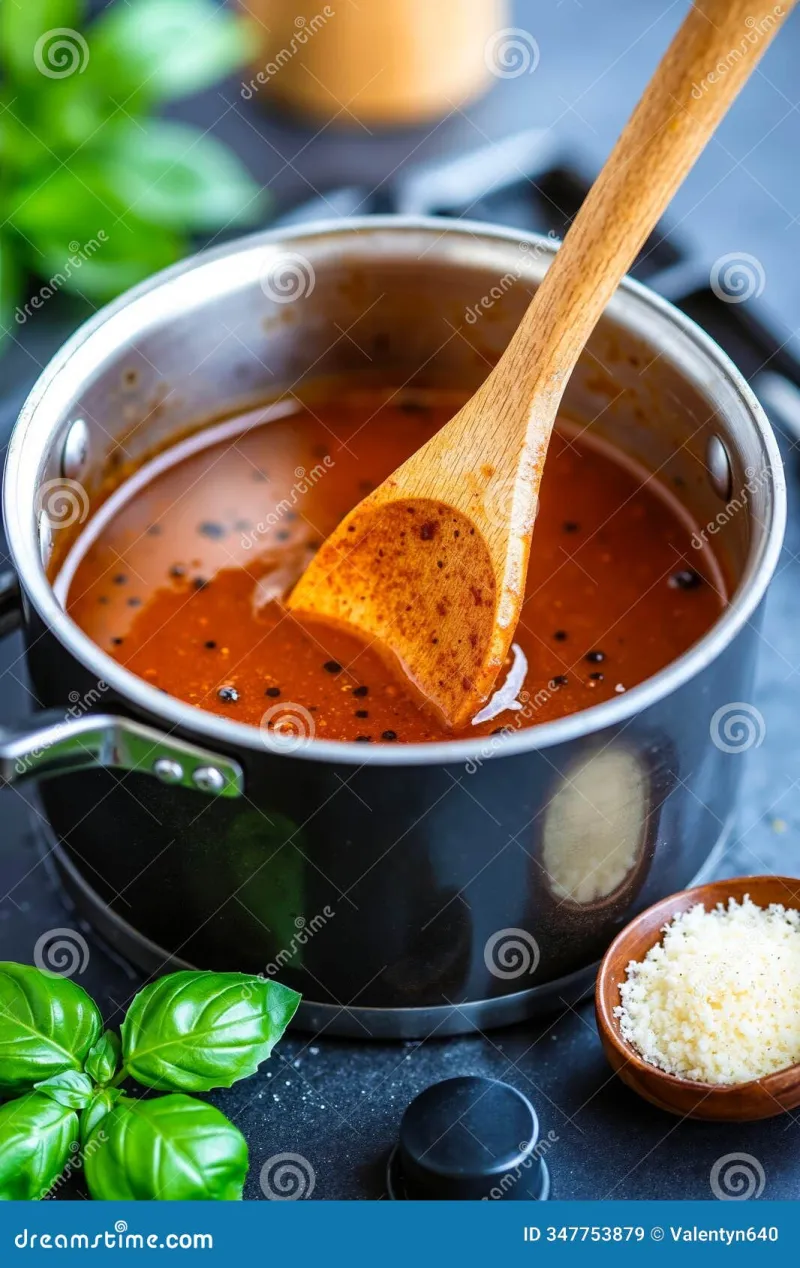
Acidic condiments — think quality hot sauces built on vinegar, or a well-crafted chimichurri — cut through fatty dishes and wake up proteins. Rich, savory options like a deeply reduced tomato-based sauce or a miso-forward glaze add body and depth to simple weeknight meals. Heat doesn't have to mean one-dimensional burn; a good chili crisp or a small-batch habanero sauce brings complexity alongside the fire.
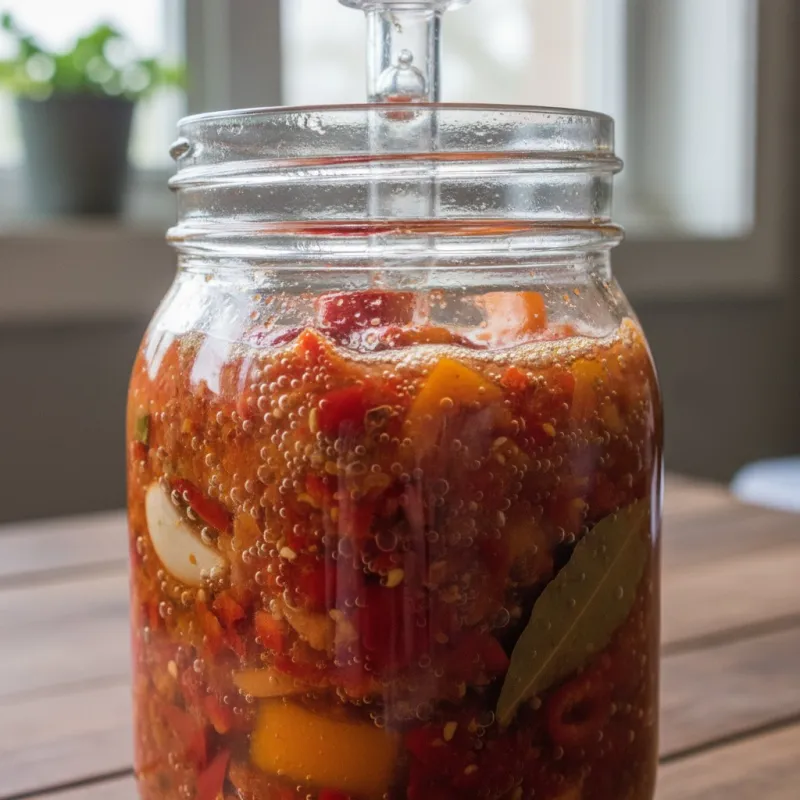
Fermented condiments deserve their own category entirely. Whether it's a gochujang-based sauce, a lacto-fermented hot sauce, or a worcestershire-style condiment, these bottles carry a kind of layered flavor that no fresh ingredient alone can replicate. If you only upgrade one section of your shelf, make it this one.
Evaluating an Artisan Product Before You Buy
Not all "artisan" labels mean the same thing. The word gets stretched pretty thin in grocery store marketing, so it helps to know what you're actually looking for.
Flip the bottle over and read the ingredient list. A quality artisan sauce usually has a short, recognizable list — real peppers, actual fruit, whole spices. If you see a parade of stabilizers, artificial flavors, or high-fructose corn syrup near the top, you're looking at a mass-market product wearing artisan clothing.
Small production runs also tend to mean more flavor variation between batches, which is a feature, not a bug. A sauce that tastes slightly different from season to season is often one that's using real, fresh ingredients that respond to harvest conditions. That inconsistency is a sign of authenticity.
When possible, taste before you commit. Farmers markets, specialty food stores, and local food festivals are great places to sample before you buy. You're looking for complexity — does the flavor develop over a few seconds, or does it just hit once and disappear? A well-crafted sauce should have a beginning, a middle, and a finish.
Permanent Residents vs. Seasonal Rotations
Not every bottle needs a permanent home. Think of your sauce shelf in two tiers.
Your permanent tier should include two to four sauces you reach for constantly — the ones that make scrambled eggs better, improve a roast chicken, or rescue a bland grain bowl. These are your workhorses. They should be versatile enough to cross multiple meal categories and reliable enough that you'd notice immediately if you ran out.
Your rotation tier is where things get fun. This is where you bring in the summer peach hot sauce, the limited-batch smoked tomato spread, or the regional barbecue sauce you picked up on a road trip through the Carolinas. These bottles have a season. They're tied to a moment, an ingredient, a craving. Embrace that. When they're gone, let them go and bring something new in.
This two-tier approach keeps your pantry from turning into a museum and pushes you to keep exploring.
Unexpected Pairings That Actually Work
One of the most underrated moves in home cooking is reaching for an unexpected condiment and discovering it fits perfectly. A few combinations worth trying:
Chimichurri on roasted sweet potatoes. The herby acidity cuts straight through the natural sweetness of the potato in a way that feels fresh and completely satisfying.
A fermented chili sauce stirred into mac and cheese. It sounds wild. It's incredible. The funkiness deepens the cheese flavor in a way that's hard to explain but easy to love.
Mango-based hot sauce on a breakfast burrito. Fruit-forward heat plays beautifully with eggs, especially when there's a little chorizo or sausage involved.
A smoky, molasses-heavy barbecue sauce as a pizza base. Swap it in for tomato sauce and top with caramelized onions and sharp cheddar. It's a completely different experience.
The point isn't to be weird for the sake of it. The point is that artisan sauces are designed with complexity in mind, and that complexity often translates across dishes in surprising ways. Give yourself permission to experiment.
Keeping the Shelf Honest
Every few months, pull everything out and do a quick audit. Check dates, taste anything that's been sitting a while, and ask yourself honestly whether each bottle is getting used. If something's been lingering for more than two months without finding a purpose, it's probably not the right fit for your cooking style — and that's useful information.
A well-curated sauce shelf isn't static. It should evolve as your cooking does, reflecting what you're into right now, what's in season, and what's genuinely making your meals better. That's the whole point of building it in the first place.