Taste as You Go: The Real Science Behind Sauces That Hit Every Note
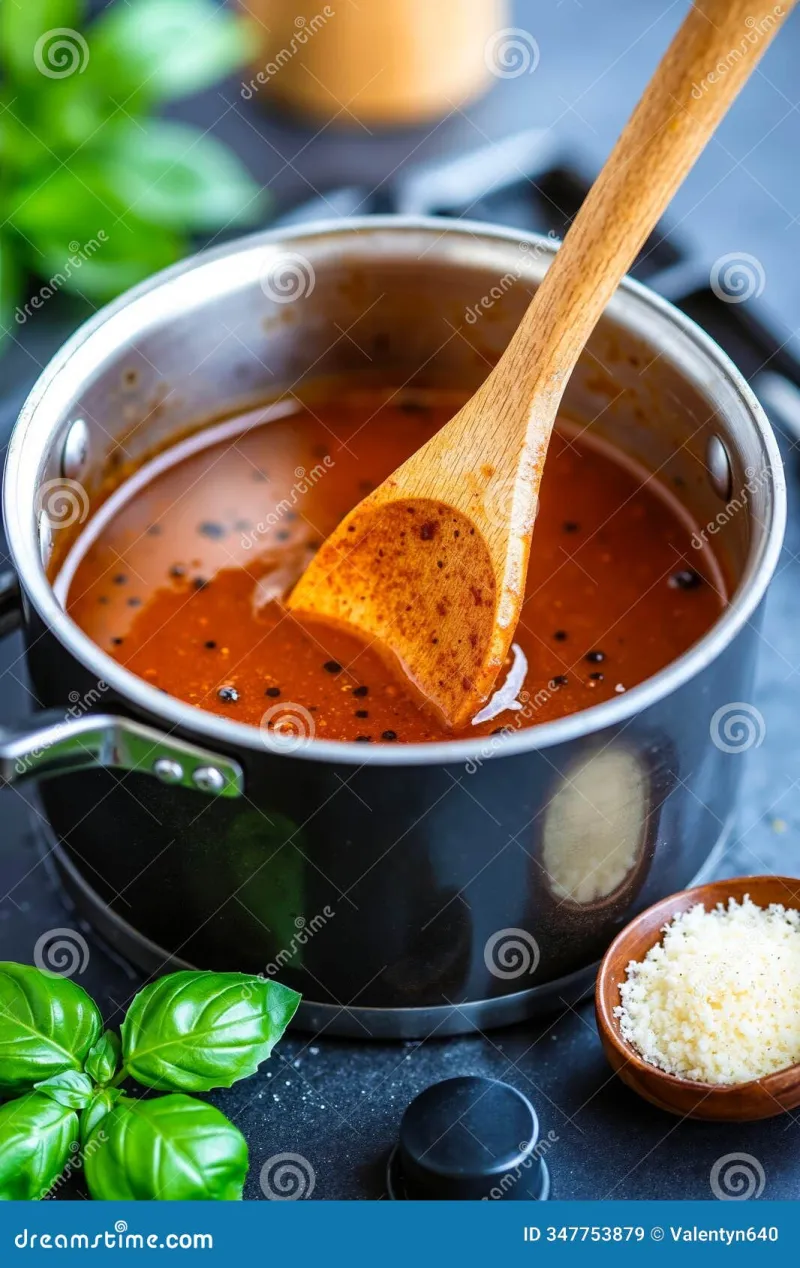
Photo: home cook tasting sauce from wooden spoon in kitchen, via thumbs.dreamstime.com
There's a moment every home cook knows — you've followed a recipe, simmered everything down beautifully, taken that first taste, and something just feels... off. Not bad, exactly. Just flat. Or weirdly sharp. Or sweet in a way that coats your mouth without going anywhere interesting.
The difference between that sauce and the ones you rave about at your favorite restaurant? It usually comes down to balance. And balance isn't magic — it's science you can actually learn.
The Four Pillars of Flavor in Every Great Sauce
Every sauce worth its label is built on the same four flavor forces: sweet, salty, sour, and spicy (or heat). These aren't just taste descriptors. They're tools. And like any tool, they work best when you understand what each one actually does to the others.
Sweet softens edges. It rounds out harsh acidity, tames aggressive heat, and adds body to a sauce that feels thin or sharp. Think of how a touch of honey rescues an over-vinegared barbecue sauce — the sweetness doesn't erase the tang, it just gives it somewhere to land.
Salty is the amplifier. Salt doesn't just make things taste salty; it literally enhances every other flavor in the mix. When a sauce tastes dull or one-dimensional, salt is almost always part of the answer. A pinch at the right moment can make tomatoes taste more like tomatoes, citrus taste brighter, and spice register more clearly on the palate.
Sour — whether it comes from vinegar, citrus juice, tamarind, or fermented ingredients — is your sharpening tool. Acidity cuts through richness, adds contrast, and keeps sauces from feeling heavy. It's the reason a well-made hot sauce wakes up a bowl of chili in a way that plain heat alone never quite does.
Spicy is the wild card. Heat builds over time, which means it's easy to overshoot. But managed correctly, spice adds dimension and excitement. It also interacts with fat, which is why creamy sauces can handle more heat than thin, acidic ones — the fat coats the tongue and slows the burn.
Why Balance Isn't About Equal Parts
Here's where a lot of home cooks go sideways: they assume balance means equal amounts of each element. It doesn't. Balance means none of the four flavors is dominating in a way that feels unpleasant or unintentional.
A great Kansas City-style barbecue sauce is unapologetically sweet. That's not imbalance — that's a deliberate choice, and the sweetness is still supported by salt, vinegar, and pepper doing their jobs in the background. A Vietnamese-style dipping sauce might lean heavily sour and salty, with just a whisper of sugar and a few chili slices for heat. Both are balanced because every element is pulling in the same direction.
The goal is harmony, not symmetry.
Building Your Palate: How to Taste Like a Sauce Maker
The most important skill you can develop is learning to diagnose what a sauce actually needs. That takes practice, but here's a framework that cuts the learning curve.
Taste in layers. Don't wait until your sauce is fully cooked to check in. Taste it at the beginning, middle, and end of cooking. Flavors concentrate as liquid reduces, which means a perfectly balanced sauce at the 10-minute mark can turn aggressively salty or sweet by the time it's done.
Identify the dominant note first. Take a small spoonful and ask yourself: what hits first? What lingers? If the first thing you notice is sharp acidity that doesn't fade, the sauce probably needs sweet and salt. If it tastes flat and one-dimensional, it likely needs acid and possibly more salt.
Make micro-adjustments. This is where home cooks often go wrong — they dump in a tablespoon of vinegar when a teaspoon would've done it. When you're adjusting, work in tiny increments. Stir, wait 30 seconds for the flavors to integrate, then taste again. Repeat.
Use the contrast principle. If something tastes too sweet, your instinct might be to add more acid. That works — but so does adding salt, which shifts your perception of sweetness without necessarily changing the flavor profile direction. Play with opposites before you reach for more of the same.
Common Sauce Imbalances (and How to Fix Them)
Too acidic: Add a small amount of honey, maple syrup, or brown sugar. A pinch of salt can also soften perceived sharpness. If you're working with a tomato-based sauce, a tiny pinch of baking soda neutralizes excess acid directly — use sparingly.
Too sweet: Reach for acid first — a splash of apple cider vinegar or fresh lime juice. Then check your salt level. Sometimes sweetness just needs a counterweight, not a fight.
Too salty: This one's trickier once it's done, but adding a small amount of acid (like lemon juice) or sweetness can help mask the saltiness. Diluting with more unseasoned base ingredients is the most reliable fix if you catch it early.
Too spicy: Fat is your friend. A spoonful of butter, a pour of coconut milk, or even a dollop of sour cream stirred in can tame runaway heat. Sweetness also dials back the burn, which is why so many hot sauces include fruit.
Flat and lifeless: This is almost always a salt issue, but don't stop there. A squeeze of citrus added off-heat, a splash of Worcestershire, or even a small amount of a fermented condiment like fish sauce can add the depth and brightness that makes a sauce feel alive.
The Sauce Maker's Secret Weapon: Time and Temperature
One thing the science textbooks don't always mention: flavor balance changes with temperature. A sauce that tastes perfectly balanced hot might taste overly sweet or salty when it cools down. If you're making a sauce meant to be served cold — a vinaigrette, a remoulade, a tangy dipping sauce — always do your final tasting at the temperature it'll actually be served.
Similarly, long, slow cooking mellows and melds flavors in ways that fast cooking can't. A sauce simmered for 45 minutes will taste rounder and more integrated than the same recipe rushed through in 10. That's not just about reducing liquid — it's about giving the flavor compounds time to interact and develop.
Start Tasting, Stop Guessing
At the end of the day, the best thing you can do for your sauce game is slow down and pay attention. Recipes are starting points, not finishing lines. Every batch of tomatoes is different. Every bottle of vinegar has its own personality. Every pepper has a different heat level.
The home cooks who consistently make sauces that taste restaurant-quality aren't following recipes more carefully than everyone else — they're tasting more, adjusting more, and trusting their palates more. The science gives you the framework. Your tongue does the rest.
And honestly? That's what makes it fun.