Your Farmers Market Is a Sauce Waiting to Happen

Photo: Fresh Thyme Market, Public domain, via Wikimedia Commons
The Pantry Doesn't Build Itself
Most home cooks accumulate condiments the same way they accumulate junk mail — passively, over time, without much intention. You grab a bottle here, a jar there, and suddenly your fridge door is a graveyard of half-used hot sauces and forgotten chutneys. Sound familiar?
There's a better way. And it starts not at the grocery store, but at your local farmers market.
Building a personal sauce collection — one that actually reflects your palate, your region, and the seasons you cook through — is one of the most satisfying projects a home cook can take on. It's part shopping trip, part flavor education, and part creative expression. Think of it less like stocking a pantry and more like curating a gallery. Every jar earns its spot.
Think in Layers Before You Shop
Before you load up a tote bag with whatever looks beautiful at the market (and everything looks beautiful at the market), it helps to think about how sauces actually work. Most great condiments are built on three flavor layers: a base, a brightness, and a depth.
Your base is the body of the sauce — tomatoes, roasted peppers, stone fruits, tomatillos, even a good allium-heavy mirepoix. Brightness usually comes from acid: vinegar, citrus, fermented brine. Depth is where things get interesting — smoked chilies, toasted spices, aged aromatics, a splash of something fermented.
When you walk through the market with this framework in mind, you stop seeing just produce and start seeing potential. Those late-summer heirloom tomatoes? Base material. That vendor with the fresh-pressed apple cider vinegar? Brightness. The guy selling smoked paprika and dried anchos at the end of the row? Pure depth.
How to Shop the Market Strategically
Here's a practical approach that works whether you're at a sprawling urban market in Portland or a modest Saturday setup in a small Midwestern town.
Do one full lap before buying anything. Seriously. Walk the entire market, note what's at peak ripeness, and identify two or three ingredients that feel like they want to be together. Impulse buying at a farmers market usually means you get home with gorgeous produce and no coherent plan.
Follow the season, not a recipe. The best artisanal sauces are snapshots of a specific moment in the growing calendar. A peach-habanero glaze made in August tastes completely different — more alive, more honest — than one made from off-season fruit in February. Let the season dictate your direction.
Talk to the vendors. This is the part most people skip, and it's where the real gold is. Ask the pepper farmer which varieties are mildest and which will light your face on fire. Ask the herb grower what they'd do with a pound of shishito peppers. These folks know their product better than any cookbook does, and they're usually thrilled someone actually wants to talk about it.
Look for the odd and the overlooked. Grocery stores stock for consistency. Farmers markets stock for abundance. That means you'll find things like ground cherries, black garlic, husk cherries, or obscure dried chili varieties that never make it to mainstream shelves. These are your secret weapons — the ingredients that make your sauce collection genuinely yours.
Building Your Signature Collection
Once you've got your ingredients, the real fun begins. Rather than chasing a specific recipe, think about building a small collection of four or five core sauces that cover different flavor profiles and use cases.
A bright, acidic table sauce — something you'd reach for with eggs, grilled fish, or tacos. Think tomatillo-based, or a vinegar-forward hot sauce with fresh chiles. This is your everyday workhorse.
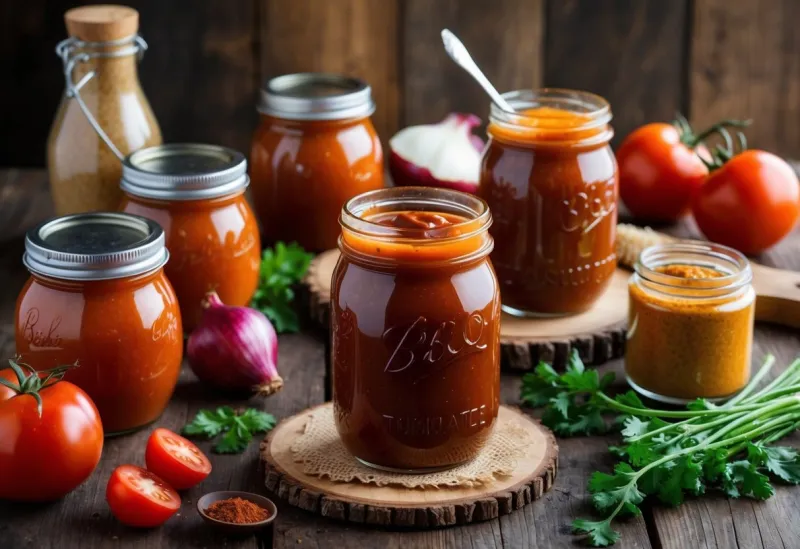
A rich, slow-cooked base sauce — roasted tomatoes, caramelized onions, maybe some dried fruit for sweetness. This is the one you stir into braises, spoon over meatballs, or swirl into a bowl of pasta when you want something that tastes like it's been cooking all day.
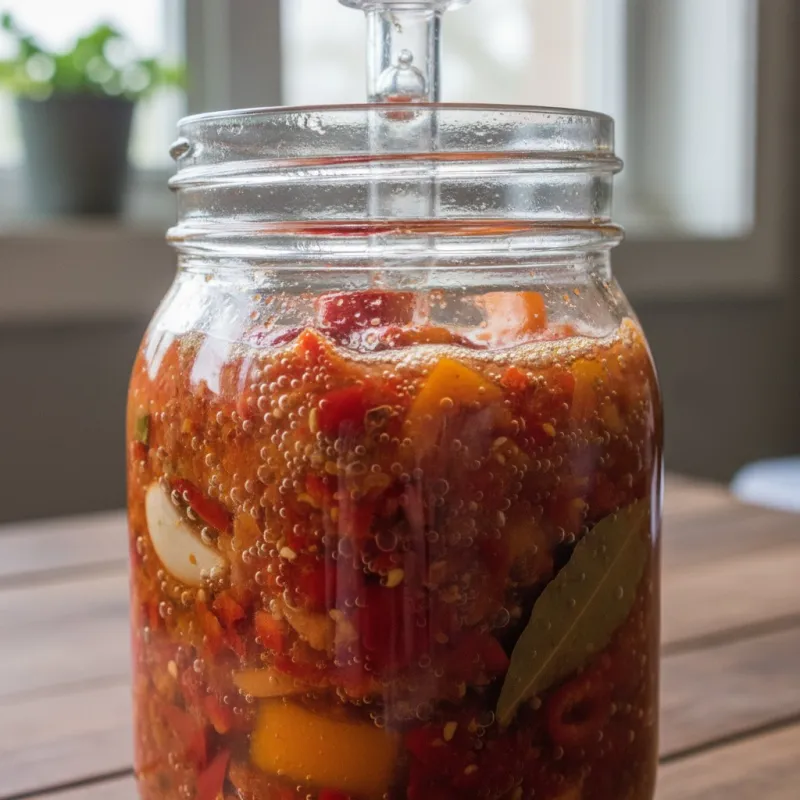
A fermented or pickled condiment — a quick-fermented pepper mash, a tangy chutney, or a shrub-style sauce built on fruit and vinegar. Fermented flavors add complexity that fresh sauces simply can't replicate, and they get better the longer they sit.
A smoky or charred element — fire-roasted salsa, a mole-adjacent sauce with toasted dried chilies, or a smoked pepper jam. This is the sauce that makes people ask what your secret ingredient is.
A finishing sauce or compound condiment — something delicate and layered that you add at the end of cooking or use as a dipping sauce. Herb-forward, slightly sweet, built for nuance rather than punch.
Seasonal Rotation Is the Point
Here's the thing about a farmers market sauce collection: it's never really finished, and that's entirely the point. When the strawberries come in, you make something new. When the market transitions from summer stone fruit to fall apples and squash, your pantry shifts with it.
This is actually how artisan sauce makers think. At Flava Sauces, we're always watching what's coming in from local growers and asking how we can capture that flavor at its peak. The best condiments aren't manufactured — they're harvested, in a sense. They carry a sense of place and time that you simply can't get from a shelf-stable bottle that was made in a factory twelve states away.
A Few Practical Notes Before You Start
You don't need a ton of equipment. A good blender, a heavy-bottomed pot, some glass jars, and a basic canning setup (or just your refrigerator, for smaller batches you'll use within a few weeks) will get you surprisingly far.
Start small. Make a single pint of something. Taste it obsessively. Adjust. Make notes. The home cook who keeps a sauce journal — even just a few scribbled lines about what worked and what didn't — improves faster than one who freestyles every batch and forgets what they did.
And don't be afraid of failure. A sauce that's too sweet can be fixed with acid. One that's too sharp can be mellowed with fat or time. The farmers market will be there next weekend with more beautiful ingredients and another chance to get it right.
Your personal sauce collection is out there. It's just waiting at a stall between the heirloom tomatoes and the smoked chili vendor.