Coast to Coast in a Jar: 5 Regional American Sauce Traditions Worth Making at Home
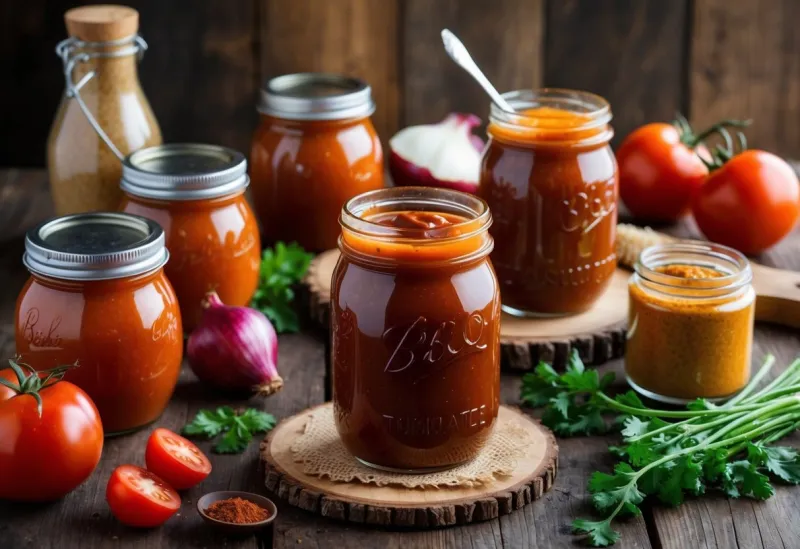
Photo: regional American condiments and sauces in mason jars on rustic wooden table, via mybudgetrecipes.com
America is a big, complicated, delicious place. And one of the best ways to understand that is through its sauces.
Every region of this country developed its own condiment culture — shaped by the crops that grew there, the immigrants who arrived, the traditions that got passed down through generations of home cooks who never wrote a single thing down. These aren't the sauces you'll find featured in a Super Bowl commercial. They're the ones that live in grandma's refrigerator, on the table at a church potluck, or on the counter at a roadside barbecue shack that's been open since 1962.
At Flava Sauces, we're all about celebrating that kind of depth — the artisanal, the regional, the stuff that actually has a story. So here are five American sauce traditions that deserve a lot more love, plus simple ways to start making them yourself.
1. Louisiana Lacto-Fermented Pepper Sauce
Where it comes from: The bayous and kitchens of south Louisiana
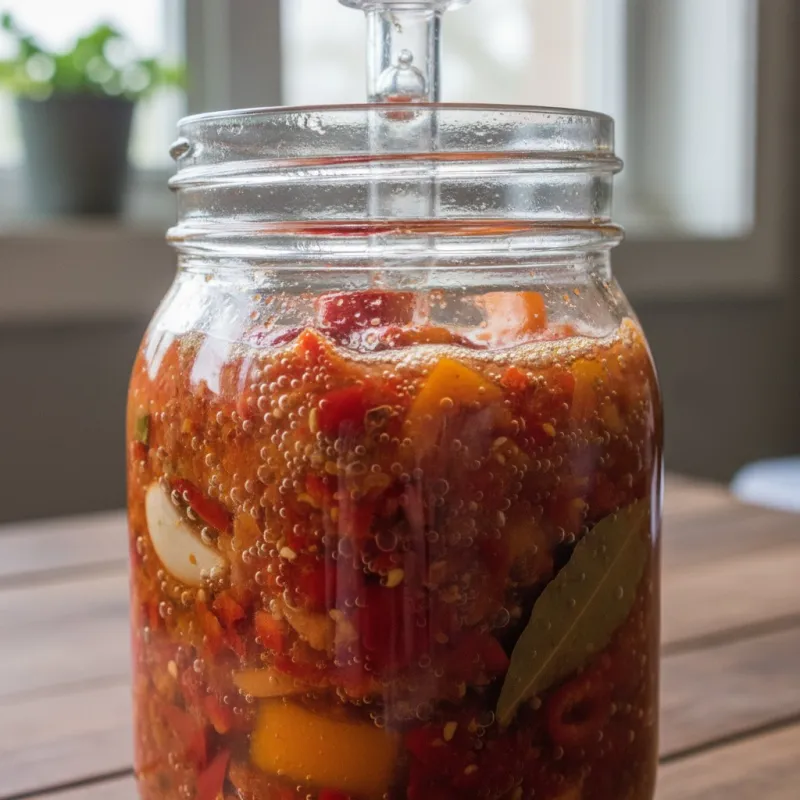
The story: Louisiana hot sauce is one of America's most recognizable condiment exports, but the commercial versions most people know are a simplified echo of a much older tradition. Before factories and pasteurization, Louisiana families made pepper sauces through natural lacto-fermentation — packing fresh cayenne or tabasco peppers into crocks with salt and letting them ferment for months, sometimes years. The result was a complex, funky, deeply savory sauce with layers that went way beyond simple heat.
Flavor profile: Tangy and fermented, with fruity pepper notes, a slow-building heat, and that characteristic savoriness that comes from time and live cultures.
Try it on: Eggs, fried chicken, gumbo, collard greens, oysters — basically everything.
Simple home version: Blend 1 lb of fresh cayenne peppers with 1 tablespoon of non-iodized sea salt until a rough mash forms. Pack tightly into a clean mason jar, press down so liquid rises above the mash, and cover loosely with a cloth or loose lid. Leave at room temperature for 5–7 days, pressing down daily. Once it smells pleasantly tangy and funky (not rotten), blend smooth, strain if desired, and store in the fridge. It will keep for months and improve with time.
2. Appalachian Chow-Chow
Where it comes from: The mountain communities of West Virginia, Kentucky, Tennessee, and western North Carolina
The story: Chow-chow is one of those condiments that doesn't get nearly enough attention outside its home region, and that's a genuine shame. Born from the Appalachian tradition of preserving the end-of-summer garden harvest, chow-chow is a pickled relish typically made from a combination of green tomatoes, cabbage, onions, bell peppers, and hot peppers, seasoned with mustard seed, turmeric, and vinegar. Every family has their own version, and debates about whose is best get surprisingly heated.
The tradition likely has roots in both European pickling practices and Indigenous preservation techniques, blended over centuries into something uniquely Appalachian.
Flavor profile: Bright, tangy, and slightly sweet with a mustardy backbone and a little heat. Crunchy, colorful, and incredibly versatile.
Try it on: Pinto beans, hot dogs, pulled pork, deviled eggs, grilled sausage, or straight out of the jar on crackers.
Simple home version: Finely chop 2 cups green cabbage, 1 cup green tomatoes, 1 cup green bell pepper, and 1 small onion. Toss with 2 teaspoons salt and let sit overnight. Drain and rinse well. In a saucepan, combine 1 cup white vinegar, ½ cup sugar, 1 teaspoon mustard seed, ½ teaspoon turmeric, and ¼ teaspoon celery seed. Bring to a boil, add the vegetables, and simmer 10 minutes. Cool and refrigerate. Ready in 24 hours; keeps for 2–3 weeks.
3. Eastern Carolina Vinegar Barbecue Sauce
Where it comes from: The coastal plain of North Carolina
The story: If you show up in eastern North Carolina and ask for barbecue sauce, you're going to get something that looks nothing like the thick, tomato-sweet stuff from a bottle. Eastern Carolina sauce is almost entirely vinegar — thin, sharp, peppery, and uncompromising. It's mopped over whole hog barbecue as it cooks and served on the side at the table, and its origins trace back to 17th and 18th century cooking traditions that predate ketchup-based sauces by centuries.
This style of sauce is a reminder that barbecue sauce doesn't have to be thick or sweet to be brilliant. The acidity cuts through fat, brightens smoke, and makes every bite taste clean and alive.
Flavor profile: Sharp, peppery, and acidic with a bare hint of warmth. Thin enough to pour. Polarizing to outsiders; beloved by everyone who grew up with it.
Try it on: Pulled pork, smoked chicken, coleslaw (mixed right in), cornbread.
Simple home version: Combine 1 cup apple cider vinegar, 1 cup white vinegar, 1 tablespoon crushed red pepper flakes, 1 tablespoon black pepper, 1 teaspoon salt, and 1 teaspoon sugar. Stir until dissolved. That's genuinely it. Let it sit for at least a few hours before using. It keeps indefinitely at room temperature.
4. Texas Mop Sauce
Where it comes from: Central Texas barbecue pits, particularly in the Hill Country
The story: Texas barbecue is famously about the meat — good beef, good smoke, and time. But behind every great brisket is a mop sauce doing quiet, essential work. Used to baste large cuts during long smokes, Texas mop sauces are thin, savory, and often built on a base of beef broth, Worcestershire, butter, and spices. They keep the meat moist, add subtle layers of flavor, and create that gorgeous bark that serious barbecue people obsess over.
Unlike finishing sauces, mop sauces are part of the process — they're applied with an actual mop brush (or a clean kitchen mop) every hour or so during a smoke that can last 12 hours or more.
Flavor profile: Savory, buttery, and deeply meaty with notes of Worcestershire, black pepper, and smoke. More functional than flashy, but absolutely essential.
Try it on: Brisket, beef ribs, pork shoulder during smoking or oven roasting.
Simple home version: In a saucepan, melt 4 tablespoons butter over medium heat. Add 1 cup beef broth, ¼ cup Worcestershire sauce, 2 tablespoons apple cider vinegar, 1 teaspoon black pepper, 1 teaspoon garlic powder, and ½ teaspoon cayenne. Simmer 10 minutes. Use to baste meat every 45–60 minutes during cooking. Makes enough for one large roast.
5. California Wood-Fired Salsa
Where it comes from: The backyards and taco stands of California, shaped by Mexican culinary tradition
The story: California's salsa culture is its own thing — deeply influenced by the state's large Mexican-American communities and its extraordinary access to fresh produce year-round. What sets the California wood-fired (or charred) salsa tradition apart is the technique: tomatoes, tomatillos, chiles, and onions are charred directly over an open flame or under a broiler until blackened and soft, then blended with fresh herbs and citrus. The char adds smokiness, sweetness, and complexity that raw salsas simply can't achieve.
This is backyard cooking elevated to an art form, and it pairs naturally with California's wine culture, farm-stand ingredients, and love of outdoor entertaining.
Flavor profile: Smoky, slightly sweet from the char, bright from lime and cilantro, with a heat level that varies by chile choice. Silky texture, deep color, incredible depth.
Try it on: Tacos, grilled fish, scrambled eggs, chips, or drizzled over a bowl of beans and rice.
Simple home version: Place 4 Roma tomatoes, 4 tomatillos (husked), 2 jalapeños, and half a white onion directly under your broiler on a foil-lined sheet. Broil until charred and softened, about 10–12 minutes, turning once. Transfer everything to a blender with 2 garlic cloves, a big handful of fresh cilantro, juice of 1 lime, and 1 teaspoon salt. Pulse to your preferred texture. Taste and adjust. Serve warm or let cool — it's great both ways.
The Bigger Picture
Every one of these sauces is a window into a place, a people, and a way of cooking that developed over generations. They're the kind of thing that makes you realize American food culture is endlessly rich — and that the best flavors are often the ones that never made it onto a grocery store shelf.
That's exactly the spirit Flava Sauces is built on. Great condiments tell stories. And the more of these traditions you explore in your own kitchen, the more fluent you become in the language of American flavor.