The Hidden Reason You Always Grab the Same Sauce (And How to Fix It)
Here's a scenario that probably sounds familiar. You've got a genuinely impressive collection of sauces — a smoky chipotle something from that farmers market trip, a fermented chili paste you ordered online after watching a cooking video at midnight, maybe a fancy finishing oil with herbs you can barely pronounce. And yet, every Tuesday night, you're reaching past all of them for the same bottle of hot sauce that's been sitting front and center since 2021.
It's not that you don't like the other stuff. It's that you can't really see it. And what you can't see, you don't use.
This is one of the most overlooked problems in the home kitchen, and fixing it doesn't require buying anything new. It just requires rethinking how your sauce shelf is actually set up.
Your Brain Is Running a Shortcut You Don't Know About
There's a concept in behavioral psychology called the "default effect" — the tendency for people to stick with whatever option requires the least effort. In a pantry context, that means the sauce closest to eye level, with the clearest label facing outward, wins. Every time. Not because it's your favorite, but because your brain is tired and dinner needs to happen.
Research on kitchen behavior consistently shows that people are far more likely to use ingredients they can see without moving anything else. Visibility isn't just convenient — it's essentially a vote. Every bottle that gets shoved to the back of a shelf is quietly being voted out of your cooking rotation.
Once you understand that, reorganizing your sauce shelf stops feeling like a chore and starts feeling like a genuinely useful kitchen upgrade.
What Restaurant Sauce Stations Actually Look Like
Professional cooks don't store their sauces the way most of us do at home. In a working kitchen, the sauce station is built around speed and intentionality. Everything a cook might need during a service is within arm's reach, labeled clearly, and arranged by frequency of use — not by size of the bottle or how pretty the label looks.
More importantly, restaurant kitchens rotate their stations. Sauces that aren't being used get pulled. New ones get introduced. The arrangement isn't static, because the menu isn't static. Cooks are constantly being nudged toward experimentation by the physical layout of their workspace.
Home kitchens almost never work this way. Most of us set up our pantry once, maybe after a big grocery run, and then don't touch the arrangement for months. The result is a sauce shelf that reflects what you bought a year ago, not what you actually want to be cooking with now.
The Visibility Problem Is Worse Than You Think
Dark pantries and deep shelves are genuinely working against you. If your sauce collection lives in a cabinet with no interior lighting, you're essentially cooking with a blindfold on half the time. Bottles get pushed back. Labels face the wrong direction. That gorgeous gochujang you bought on a whim disappears behind a taller bottle of soy sauce and doesn't resurface until you're cleaning.
A few practical fixes that actually make a difference:
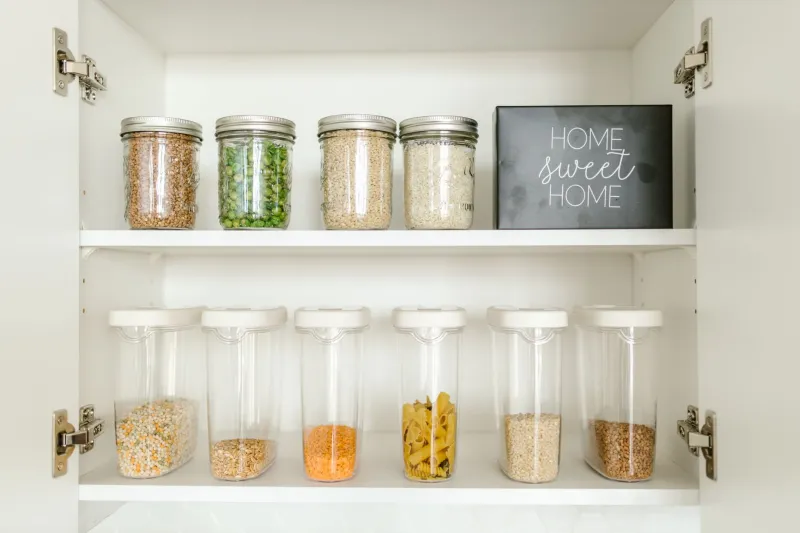
Use a tiered shelf riser. These are inexpensive and create instant visibility for bottles in the back row. You can find them at any home goods store or online for under $20. This single change is probably the highest-return pantry upgrade you can make.
Turn labels forward. It sounds obvious, but most people don't do it consistently. Make it a rule: every time a bottle goes back on the shelf, the label faces out. It takes two seconds and completely changes how quickly you can identify what you have.
Add a small battery-powered light strip. If your pantry or cabinet doesn't have interior lighting, a stick-on LED strip costs about $10 and makes a dramatic difference in how well you can actually see what's back there.
Group by flavor profile, not by bottle size. Organizing your sauces by heat, acidity, sweetness, or umami weight means when you're cooking and thinking "I need something bright and tangy here," you can find your options immediately instead of scanning the whole shelf.
The Rotation Principle
Borrow the restaurant habit: rotate your sauce shelf regularly. Every month or so, pull everything out and take a quick inventory. Move bottles you haven't touched in a while to the front row. That's your challenge for the next few weeks — actually use them. If a sauce has been hiding in the back for three months, either feature it prominently or ask yourself honestly whether it belongs in your kitchen at all.
This isn't about being wasteful or obsessive. It's about breaking the default effect. When you physically move a sauce to the front of the shelf, you're essentially giving yourself a nudge to try it. And more often than not, that nudge is all it takes.
Small Containers, Big Impact
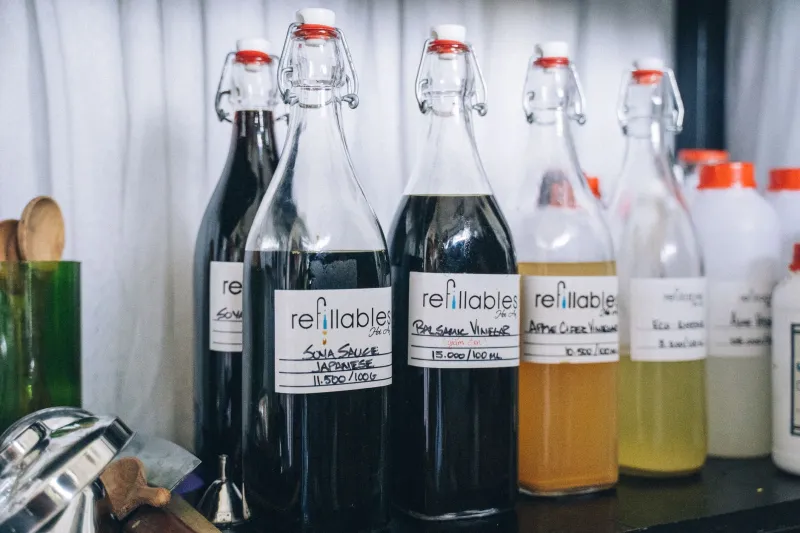
Another trick worth stealing from restaurant kitchens: decanting. Chefs frequently move sauces from their original bottles into smaller, uniform containers that are easier to grab, pour, and identify at a glance. You don't have to go full mise en place at home, but keeping a few small squeeze bottles or wide-mouth jars for your most-used sauces can make cooking feel noticeably smoother.
It also has an unexpected psychological benefit. When something looks intentional and organized on your shelf, you treat it with more care. You're more likely to use it thoughtfully rather than just defaulting to habit.
The Shelf Is Part of the Recipe
Here's the honest truth: you can stock the most interesting, high-quality artisan sauces in the country, but if they're crammed into a dark cabinet where you can't see them, they're not doing anything for your cooking. The physical environment of your kitchen shapes your habits more than most people realize.
Reorganizing your sauce shelf isn't a weekend project — it's a twenty-minute task that can meaningfully change the way you cook every single day. You'll start reaching for things you forgot you had. You'll experiment more because the option is right there in front of you. Your cooking gets more interesting without you buying a single new ingredient.
The best sauce you own might already be sitting in your pantry. You just need to be able to see it.