Some Bottles Get Better. Some Don't. Here's How to Tell the Difference.
There's a bottle of hot sauce sitting in the back of a lot of American pantries right now. It's been there for a while — maybe a year, maybe longer. And here's the thing: it might actually taste better than it did when you first cracked the seal.
Or it might be a shadow of what it once was.
The tricky part is knowing which situation you're dealing with. Because unlike wine, which has centuries of aging lore behind it, sauce doesn't come with a sommelier's guide to peak drinking windows. Most labels just tell you to "use by" a certain date and leave it at that. But the real story is a lot more interesting — and a lot more useful if you actually care about flavor.
Why Some Sauces Keep Getting Better
Aging isn't magic. It's chemistry. And for certain categories of artisan sauce, time is genuinely one of the best ingredients in the bottle.
Fermented hot sauces are the clearest example. When a sauce is built on a base of lacto-fermented peppers — the kind where peppers and salt sit together for weeks before anything else happens — the microbial activity doesn't just stop at bottling. It slows, but the compounds those microbes created continue to interact. Lactic acid softens over time. Volatile heat compounds mellow slightly. The result is a sauce that trades raw, sharp punch for something rounder and more layered.
Vinegar-based sauces behave differently but follow a similar logic. Acetic acid, the compound that gives vinegar its bite, acts as a preservative and a flavor modifier simultaneously. Over months, it helps break down some of the more aggressive pepper compounds while pulling out deeper, earthier notes from whatever aromatics are in the bottle. A Louisiana-style hot sauce you cracked open last spring and a fresh bottle of the same sauce are technically the same product — but they won't taste identical side by side.
Aged Worcestershire sauce is another great example. The traditional British recipe involves anchovies, tamarind, molasses, and a list of spices that ferment and meld over extended periods. Worcestershire that's been sitting in your cabinet for eight months is almost always better than a freshly opened bottle. The savory depth increases. The sweetness integrates. The whole thing becomes more coherent.
The Chemical Changes Happening Inside the Bottle
Let's get into what's actually going on in there, without making it feel like a chemistry exam.
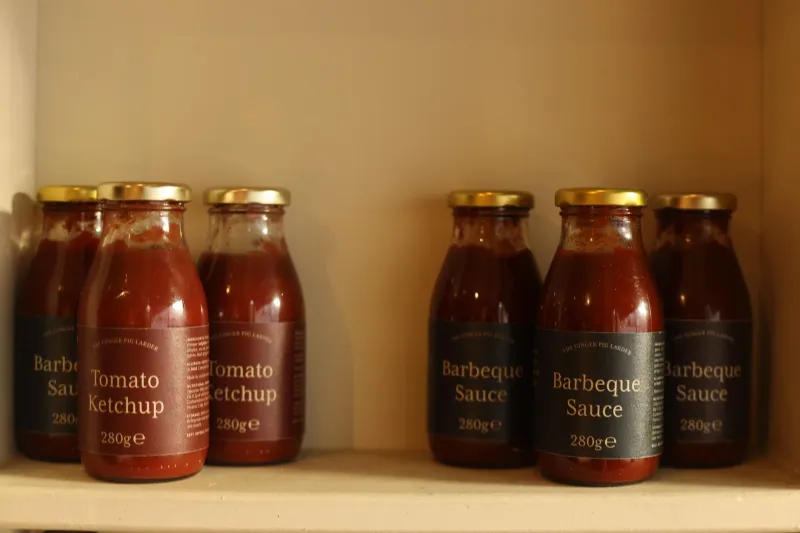
Maillard reaction byproducts — the same compounds responsible for the deep, toasty flavor of seared meat or caramelized onions — continue to evolve slowly in sauces that contain both sugars and amino acids. Barbecue sauces, steak sauces, and umami-rich condiments all carry these compounds. Given time and a stable environment, they develop greater complexity the way a slow braise develops flavor over hours.
Capsaicin, the compound that makes chile peppers hot, doesn't degrade quickly in an acidic, sealed environment. But the other volatile aromatic compounds in peppers do evolve. The bright, fruity top notes fade while the deeper, earthier base notes become more prominent. This is why an aged fermented hot sauce often tastes more complex and less one-dimensionally spicy than a fresh one.
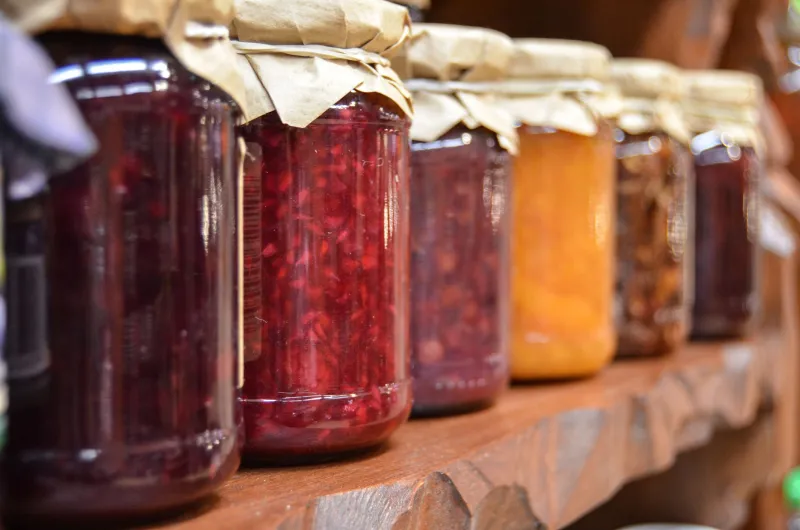
For sauces with significant sugar content — think molasses-heavy BBQ sauces or fruit-based condiments — slow caramelization and ongoing interaction between sugars and acids can deepen sweetness into something more nuanced. Less candy-bright, more slow-cooked.
And Then There Are the Sauces That Don't Age Well
Here's where it gets important: not every bottle on your shelf is quietly improving.
Bright, herb-forward sauces — chimichurri, salsa verde, anything built around fresh parsley, cilantro, or basil — are designed to be vibrant and immediate. The chlorophyll that gives them their green color breaks down over time, and so does the volatile aromatic punch that makes them sing. A chimichurri that's been in your fridge for six weeks tastes flat compared to a fresh batch. These sauces peak early and decline from there.
Fresh tomato-based salsas follow the same arc. The bright acidity and clean tomato flavor that make a good pico de gallo worth eating are at their best within days of preparation. Heat-processed salsas in sealed jars have longer windows, but even they eventually lose the freshness that defines the category.
Oil-based sauces present a different problem: rancidity. Oils oxidize over time, especially once a bottle has been opened and exposed to air. A garlic-infused olive oil sauce or a chili oil condiment that smells even slightly musty or crayon-like has crossed the line. No amount of aging complexity is worth that.
How to Read the Signs
So how do you actually tell where a bottle stands? A few practical checks:
Smell it before you taste it. Fermented and vinegar-based sauces that have aged well will smell richer and more complex than when they were fresh — deeper, rounder, sometimes almost wine-like. Anything that smells sour in a wrong way, or has an off chemical note, is done.
Look at color changes. Some darkening in hot sauces and BBQ sauces is normal and often a good sign — it can indicate continued Maillard development. Dramatic color loss in green or herb-based sauces, on the other hand, signals flavor loss.
Check the texture. Separation is normal in most artisan sauces and isn't a quality indicator on its own — just shake it. But unusual thickening, clumping, or a slimy texture is a sign something has gone wrong.
Taste a small amount. This sounds obvious, but it's the most reliable method. If a sauce tastes more complex and interesting than you remember, it's aged well. If it tastes flat, bitter, or off in any direction, trust that instinct.
Building a Pantry That Works With Time
Once you understand the aging curve, you can actually build a condiment strategy around it. Buy fermented hot sauces in multiples and rotate them — open one now, let another sit for six months, compare them. Stock Worcestershire and aged vinegar-based sauces knowing they'll only get better. And keep your herb-forward, fresh-style condiments front and center, using them quickly while they're at their peak.
Artisan sauces aren't all the same, and they don't all have the same relationship with time. Some of the best flavor experiences you'll have from a bottle are the ones that have been quietly developing in your pantry while you weren't paying attention. But others are best treated like fresh produce — enjoyed fast, before the window closes.
Knowing the difference? That's what separates a good pantry from a great one.